Adsorption Science
Adsorption Science: The Foundation of Industrial Purification and Filtration
Adsorption Science focuses on the process of capturing molecules onto the surface of a solid material, making it a critical technology in industries ranging from gas separation to water purification. The essence of adsorption lies in materials designed with highly porous structures, enabling them to capture and retain unwanted compounds effectively. This capability is particularly essential in applications requiring the removal of moisture, contaminants, and impurities, contributing to cleaner and more efficient industrial processes. At the heart of this field are advanced adsorbents like molecular sieves, activated alumina, and activated carbon, each offering unique properties tailored for specific applications.
Molecular Sieves: Precision in Adsorption
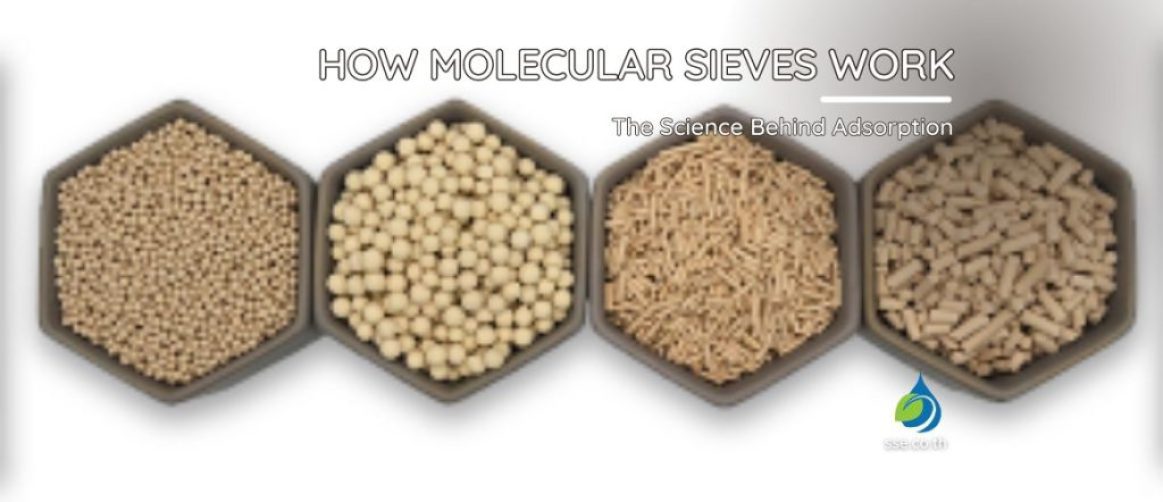
Molecular sieves are engineered to capture specific molecules based on their size, making them invaluable in precise applications like gas separation and drying. With uniform pore sizes, molecular sieves selectively adsorb molecules such as water vapor, carbon dioxide, and other impurities, ensuring optimal purity levels. This precision makes them ideal for processes like hydrogen purification, natural gas dehydration, and even oxygen generation in PSA (Pressure Swing Adsorption) systems. Molecular sieves are commonly used in the medical, petrochemical, and energy industries, where high purity standards are critical.
Explore our Molecular Sieve products to see how these versatile materials can enhance purity and process efficiency in your industry.
Activated Alumina: Moisture Control and Fluoride Removal
Activated alumina is another powerful material in adsorption science, recognized for its high surface area and adsorption capacity. It is especially effective in water treatment, where it removes fluoride and arsenic from drinking water, as well as in air drying systems that require robust moisture control. Industries like pharmaceuticals and environmental protection rely on activated alumina for its efficiency in maintaining clean, dry conditions, helping to extend equipment life and improve product quality. The durability of activated alumina also makes it suitable for regeneration, providing a sustainable and cost-effective solution for continuous use.
Activated Carbon: Versatility in Contaminant Removal
Known for its exceptional adsorption capacity, activated carbon is widely used to remove a range of contaminants, from volatile organic compounds (VOCs) to chlorine and other chemicals in water and air purification systems. Its highly porous structure captures impurities effectively, making it a popular choice in water filtration, air purifiers, and industrial gas treatments. Activated carbon is also frequently used in the food and beverage industry to enhance product quality by eliminating unwanted odors and flavors.
The Role of Adsorbents in Modern Industries
These adsorbents play an integral role across various sectors, including healthcare, environmental protection, and industrial manufacturing, where precise contaminant control is necessary. Adsorbents like molecular sieves, activated alumina, and activated carbon provide efficient and sustainable solutions that support high-quality standards and regulatory compliance, enabling industries to operate more responsibly and effectively.
To delve deeper into the science and applications of adsorption, explore our collection of insightful blog posts. They offer detailed knowledge about each material’s benefits, technical specifications, and best uses, providing a comprehensive look into the world of adsorption science.