Catalysis
Catalysis: Essential Adsorbents for Enhanced Reaction Efficiency
Catalysis plays a pivotal role in chemical processes across industries, driving reactions to be faster, more efficient, and environmentally friendly. Adsorbent materials like molecular sieves, activated alumina, and activated carbon are essential in catalytic applications, supporting or enhancing reaction processes to yield desired products efficiently. These materials enable industries ranging from petrochemicals to pharmaceuticals to increase production efficiency, reduce waste, and lower energy consumption, aligning with both economic and environmental goals.
Molecular Sieves in Catalysis: Precision and Efficiency
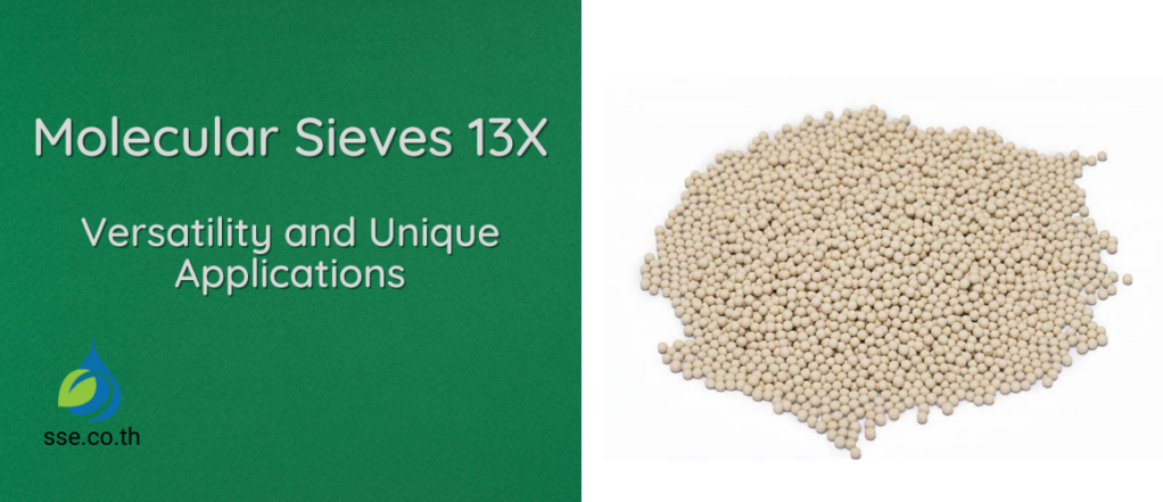
Molecular sieves, particularly the 13X and 5A types, are valued for their uniform pore structure and high surface area, which make them excellent catalysts or catalyst supports. In reactions where selective adsorption is necessary, such as isomerization or hydrocracking, molecular sieves act as both the catalyst and adsorbent, ensuring that reactant molecules are properly aligned and that undesired impurities are removed. By providing a highly selective and controlled reaction environment, molecular sieves enhance reaction rates and product yield, contributing to process efficiency.
In hydrocarbon refining, molecular sieves can selectively adsorb straight-chain hydrocarbons, acting as a key catalyst in producing high-octane fuels. The ability of molecular sieves to target specific molecules makes them indispensable in applications where precise product quality is essential.
To explore specific products and learn how they support catalytic applications, browse our Molecular Sieve product range, where you’ll find tailored solutions for catalysis. These products reflect the latest advancements in adsorbent technology, providing industries with the tools needed to enhance both efficiency and sustainability in catalytic reactions.
Activated Alumina: Versatile Catalyst Support
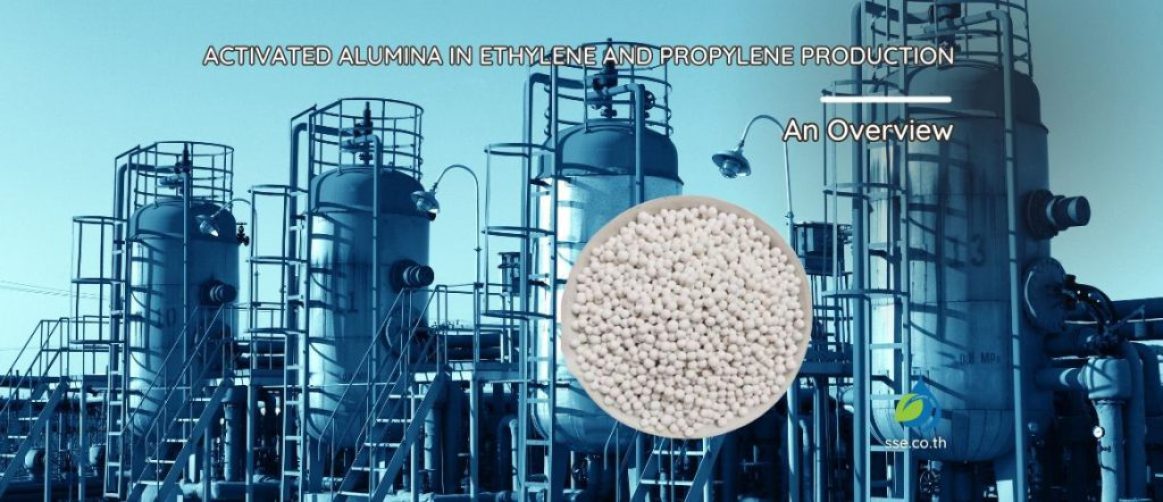
Activated alumina is highly valued in catalytic applications for its stability and resilience under various reaction conditions, including high temperatures and pressures. Known for its acid resistance and thermal stability, activated alumina often serves as a support for active catalysts in applications like hydrogenation, dehydration, and sulfur removal. In petrochemical processes, activated alumina helps maintain a stable reaction environment, ensuring that catalysts perform optimally over extended periods.
Additionally, activated alumina’s ability to adsorb moisture and other trace impurities enhances the efficiency of reactions by creating a cleaner, more controlled environment. By removing water and contaminants, activated alumina ensures that catalysts remain active and effective, reducing the need for frequent replacements and maintenance.
Activated Carbon: Enhancing Catalytic Reactions with Adsorption Power
Activated carbon’s high surface area and customizable pore structure make it an ideal catalyst support and adsorbent in various catalytic processes. It is widely used in oxidation and reduction reactions, where it acts as a support for metal catalysts like palladium and platinum, aiding in the production of fine chemicals and pharmaceuticals. Activated carbon’s porous structure allows it to trap impurities while facilitating catalytic reactions, making it suitable for both fixed-bed and fluidized-bed reactor designs.
In catalytic applications for environmental protection, activated carbon helps capture pollutants and organic compounds, facilitating their breakdown into less harmful substances. This functionality underscores its versatility in catalysis, as it can aid in both reaction efficiency and environmental compliance.
Catalysts for a Sustainable Future
The integration of molecular sieves, activated alumina, and activated carbon in catalysis applications exemplifies a commitment to sustainable and efficient production. By enhancing reaction rates, improving product quality, and minimizing waste, these adsorbents are critical to advancing catalytic processes across industries. As industries increasingly prioritize sustainability, the demand for high-performance catalysts and catalyst supports is growing, and these adsorbents are essential to meeting the stringent requirements of modern chemical processes.