Refining Processes
Refining Processes: Precision Adsorbents for High-Quality Fuels and Chemicals
Refining processes are integral to the production of high-quality fuels, chemicals, and other petrochemical products, relying on sophisticated adsorbent materials to achieve targeted purity and efficiency. Key adsorbents, such as molecular sieves and activated alumina, play a critical role in these processes by selectively capturing contaminants and refining product streams. These materials enable refiners to produce consistent, high-quality outputs, meeting stringent industry standards and regulatory requirements while enhancing operational performance across the board.
Molecular Sieves for Hydrocarbon Separation and Desulfurization
Molecular sieves are vital in refining applications, particularly in hydrocarbon separation and desulfurization processes. Their precise pore structure allows them to selectively adsorb specific molecules, such as sulfur compounds and unwanted hydrocarbons, while allowing desirable components to pass through. In desulfurization, for example, molecular sieves target sulfur-based contaminants, helping refiners produce cleaner-burning fuels that align with environmental standards. Their effectiveness in separating straight-chain hydrocarbons from branched isomers also improves the quality of high-octane fuels, providing refineries with a tool to optimize fuel performance and reduce emissions. Molecular sieves are thus indispensable for refining processes aimed at producing high-quality, eco-friendly fuels.
Activated Alumina in Water and Fluoride Removal
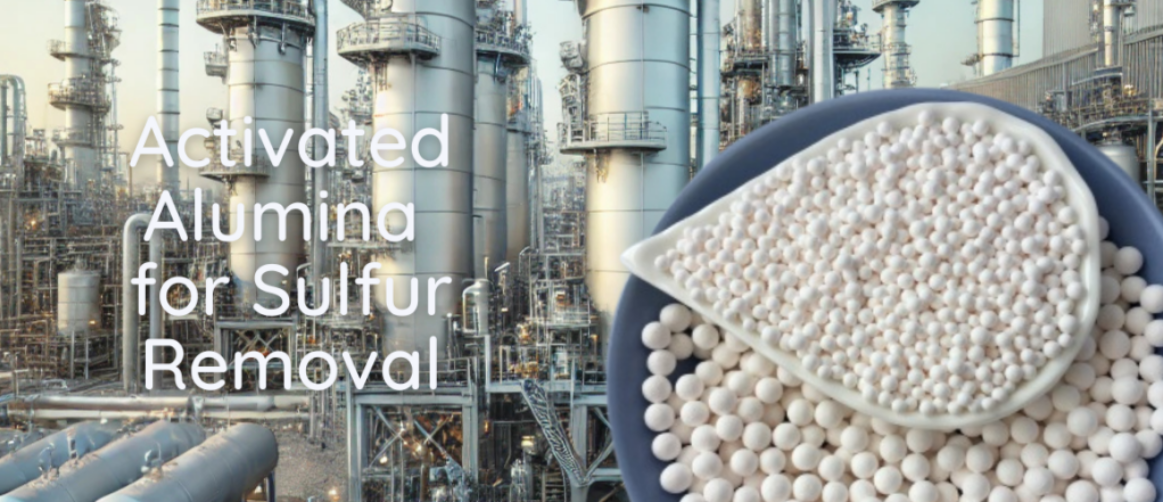
Activated alumina is equally essential in refining, known for its ability to remove impurities such as water and fluoride from hydrocarbons and other feedstocks. Water removal is a key requirement in refining as moisture can lead to corrosion and disrupt chemical reactions within the refining process. Activated alumina’s high affinity for water molecules ensures that moisture levels remain controlled, protecting equipment and ensuring the efficiency of subsequent processes. Its ability to adsorb fluoride and other contaminants further supports applications where purity is a priority, such as in the production of specialty chemicals and lubricants. This versatility makes activated alumina an invaluable component of refining setups aiming to achieve stable, high-purity outputs.
Enhancing Catalyst Longevity and Efficiency
Both molecular sieves and activated alumina contribute significantly to catalyst protection and longevity within refining processes. By removing moisture, sulfur, and other contaminants, these adsorbents prevent catalyst poisoning and degradation, ensuring that catalysts maintain their activity and selectivity over extended periods. This protection is crucial in catalytic cracking, isomerization, and other complex refining steps, where catalyst performance directly affects product yield and quality. The use of molecular sieves and activated alumina as guard layers or pre-treatment materials enhances overall system efficiency, allowing refiners to achieve desired chemical transformations while minimizing downtime and material costs.