Sulfur Removal
Sulfur Removal: Essential for Cleaner Fuels and Industrial Processes
Sulfur removal is a critical process across industries, particularly in fuel production, petrochemicals, and environmental management. Sulfur compounds in fuels, such as hydrogen sulfide (H₂S) and sulfur dioxide (SO₂), contribute to air pollution, corrosion, and acid rain, making their removal essential for cleaner, more sustainable energy solutions. Using advanced adsorbent materials like molecular sieves and activated alumina, industries can effectively remove sulfur compounds, enhancing fuel quality and protecting downstream equipment from damage caused by sulfur-related corrosion.
Applications of Molecular Sieves in Sulfur Removal
Molecular sieves are a powerful tool in sulfur removal due to their selective adsorption capabilities. With pore structures that allow them to target specific molecules, molecular sieves can adsorb sulfur compounds efficiently, even in complex gas or liquid mixtures. In refining and natural gas processing, molecular sieves capture H₂S and other sulfur species, reducing the sulfur content in fuels and gas streams to meet stringent environmental regulations. Their ability to withstand high temperatures and pressures makes molecular sieves particularly valuable in sulfur removal applications where consistent performance is required in challenging conditions.
Role of Activated Alumina in Sulfur Compound Adsorption
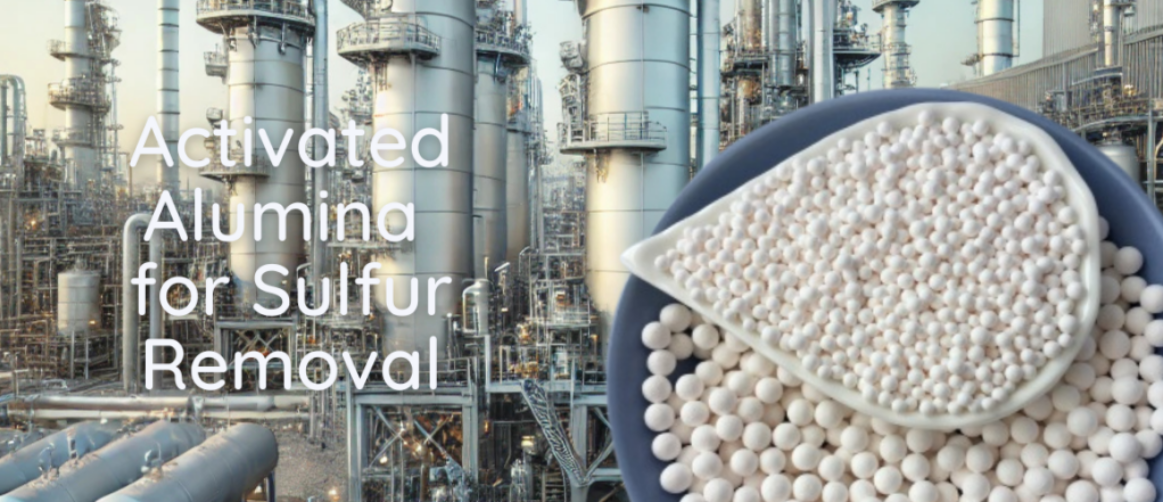
Activated alumina also plays a significant role in sulfur removal, especially in environments where molecular sieves may not be the optimal solution. Known for its high surface area and robustness, activated alumina is effective in adsorbing sulfur compounds from both gases and liquids. It is commonly used in natural gas treatment facilities, refineries, and chemical plants to remove sulfur impurities that can otherwise cause fouling and corrosion in processing equipment. Additionally, activated alumina can be regenerated through thermal processes, making it a cost-effective choice for industries needing continuous sulfur adsorption solutions.
Benefits of Sulfur Removal for Compliance and Efficiency
The removal of sulfur compounds is not only essential for environmental compliance but also for protecting equipment and ensuring efficient operations. Sulfur impurities can corrode metal surfaces, damage catalysts, and impact the efficiency of engines and processing systems. By implementing sulfur removal processes using molecular sieves or activated alumina, industries improve fuel quality, meet regulatory standards, and enhance the durability of their equipment. This contributes to overall operational efficiency, reducing maintenance costs and supporting more sustainable industrial practices.