Carbon Capture
Carbon Capture: Advanced Adsorbents for a Cleaner Future
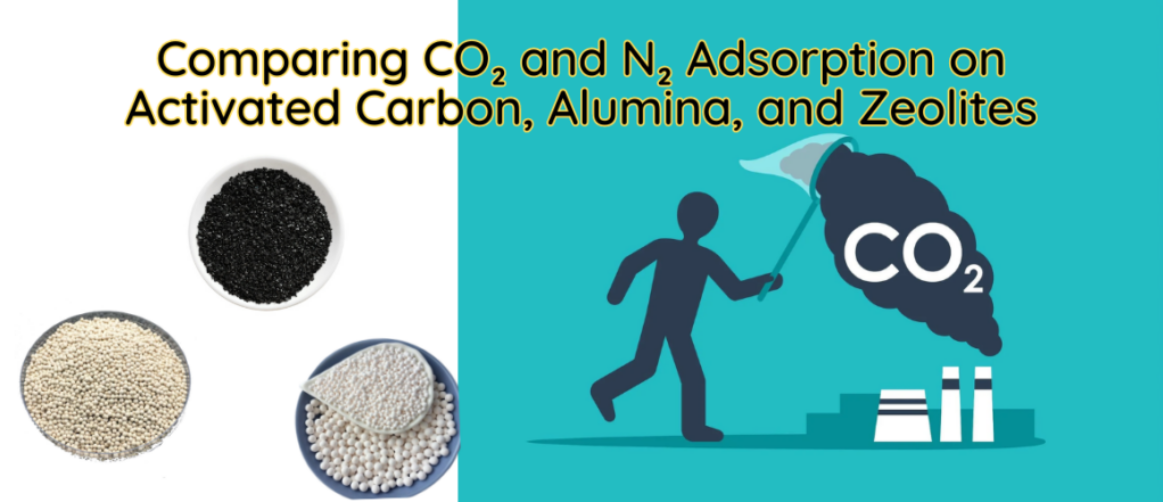
Carbon capture technologies are at the forefront of efforts to reduce greenhouse gas emissions, helping industries meet climate goals and mitigate the impact of carbon dioxide (CO₂) on global warming. In this category, advanced adsorbents like molecular sieves, activated alumina, and activated carbon play essential roles in efficiently capturing and storing CO₂ from industrial emissions and power plants. These materials support the carbon capture process by selectively adsorbing CO₂ from gas streams, ensuring that emissions are minimized and environmental standards are met.
Molecular Sieves: High-Efficiency CO₂ Adsorption
Molecular sieves, particularly 13X sieves, are widely used in carbon capture applications due to their highly selective pore structure and adsorption capacity for CO₂ molecules. These sieves are engineered to adsorb CO₂ selectively while allowing other gases to pass through, making them ideal for capturing carbon in flue gas streams from power plants and industrial facilities. By applying pressure swing adsorption (PSA) and temperature swing adsorption (TSA) methods, molecular sieves can be regenerated and reused, offering an efficient and cost-effective solution for large-scale carbon capture.
The use of molecular sieves in carbon capture not only enhances process efficiency but also reduces energy consumption, which is essential for sustainable operations. These sieves make it possible to capture and store CO₂ effectively, supporting industries in their transition toward greener practices.
For a detailed overview of adsorbents that support carbon capture, browse our Molecular Sieve product range, where you’ll find solutions tailored to meet the unique demands of carbon capture and storage. These products help industries align with environmental regulations and work toward a lower-carbon future.
Activated Alumina: Versatile Support in CO₂ Removal
Activated alumina is another key adsorbent in carbon capture, often used as a pre-treatment step to remove water and other impurities before the final CO₂ capture process. By adsorbing moisture and trace gases, activated alumina ensures that molecular sieves or other CO₂ adsorbents can operate at maximum efficiency. This capability is especially valuable in humid environments where water vapor can otherwise interfere with CO₂ adsorption.
In addition to its role in carbon capture, activated alumina is known for its stability and long life cycle, making it a valuable asset in continuous operations. This adsorbent helps create stable, dry conditions that are optimal for capturing CO₂, reinforcing its role in emission control strategies.
Activated Carbon: Enhancing CO₂ Capture Efficiency
Activated carbon, known for its high surface area and versatility, is also widely used in carbon capture applications. It is especially effective for capturing volatile organic compounds (VOCs) and trace impurities, which can enhance CO₂ adsorption efficiency in downstream processes. In some cases, activated carbon can also be used to directly capture CO₂, particularly in low-concentration applications or in combination with other adsorbents.
The regenerative capability of activated carbon makes it suitable for industries focused on reducing operational costs and environmental impact. By integrating activated carbon into carbon capture systems, facilities can achieve greater flexibility and efficiency, particularly in complex gas streams.
A Commitment to Sustainable Practices
The use of advanced adsorbents like molecular sieves, activated alumina, and activated carbon in carbon capture underscores the importance of clean technology solutions in the fight against climate change. By enabling the efficient capture and sequestration of CO₂, these adsorbents play a critical role in reducing industrial emissions and supporting global sustainability goals. As carbon capture technology advances, the need for high-performance adsorbents will only grow, paving the way for cleaner, more sustainable industrial practices.