Contaminant Removal
Contaminants Removal: Essential Solutions for Pure and Safe Industrial Processes
In industrial applications, contaminant removal is critical to maintaining purity, safety, and efficiency across diverse processes, from gas purification to water treatment and food processing. The presence of contaminants, such as volatile organic compounds (VOCs), heavy metals, sulfur compounds, and moisture, can disrupt systems, compromise product quality, and reduce equipment longevity. Advanced materials like molecular sieves, activated alumina, silica gel, activated carbon, and activated clay offer tailored solutions for effective contaminant removal, ensuring operational integrity and regulatory compliance in various industries.
Molecular Sieves: High Precision in Adsorbing Targeted Contaminants
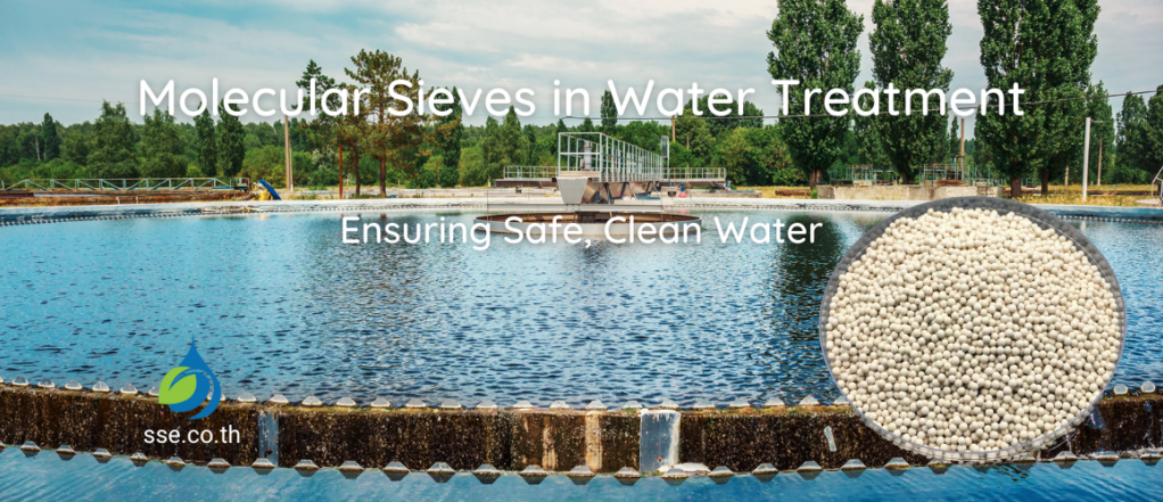
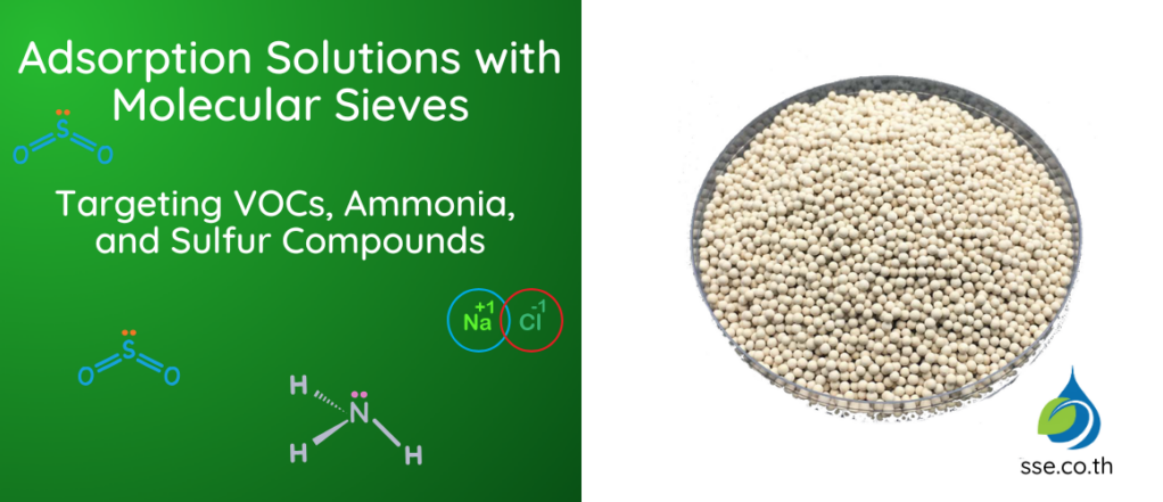
Molecular sieves are designed to selectively adsorb specific contaminants based on their uniform pore structure, making them highly effective in gas and liquid purification applications. These sieves remove water vapor, sulfur compounds, and other harmful pollutants, especially from sensitive industrial environments such as chemical processing and pharmaceutical production. Their robust adsorption capabilities allow for precise contaminant control, ensuring that end products meet high purity standards. Learn more about the versatility of molecular sieves and how they enhance contaminant removal processes across industries.
By maintaining purity in these processes, molecular sieves contribute to cleaner, safer products, particularly in sectors like petrochemicals and food and beverage. They offer sustainable, reliable solutions for applications requiring stringent contaminant removal, where even trace levels of impurities can impact outcomes.
Activated Alumina: Versatile and Efficient for Removing Moisture and Impurities
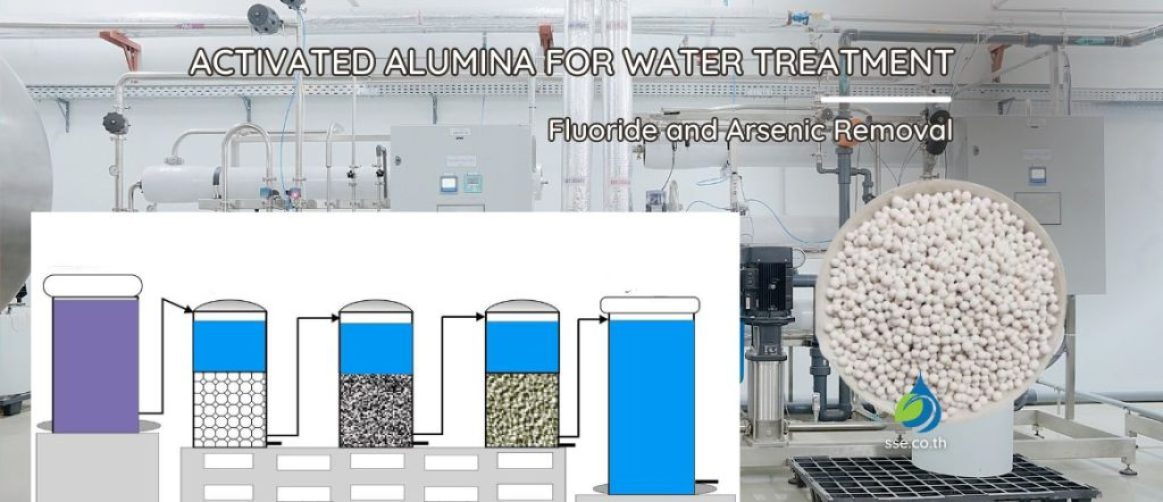
Activated alumina is widely used in air and water purification due to its porous structure and large surface area, which allow it to adsorb moisture and a wide range of impurities. It is particularly effective in removing fluoride, arsenic, and other contaminants from water, supporting safe and potable water production. Additionally, in compressed air systems, activated alumina controls humidity, thereby protecting equipment from corrosion and operational wear. Explore the activated alumina options to see how this versatile desiccant enhances purification in industrial and environmental applications.
By efficiently capturing moisture and impurities, activated alumina helps industries meet regulatory standards and maintain the integrity of their products, especially in pharmaceutical, food processing, and water treatment facilities.
Silica Gel: Effective Moisture Control and Contaminant Capture
Silica gel’s high moisture adsorption capacity makes it a go-to desiccant for applications where controlling humidity and trapping contaminants is essential. Silica gel’s ability to absorb both water vapor and volatile organic compounds makes it particularly useful in packaging, electronics protection, and industrial processes where maintaining low moisture levels is vital. For more insights, visit our silica gel products suited to contaminant removal.
Silica gel is often employed alongside other adsorbents, like molecular sieves or activated alumina, for layered filtration systems that ensure maximum contaminant capture. Its regenerative properties make it an economical and eco-friendly choice, particularly beneficial for industries requiring cost-effective moisture control solutions.
Activated Carbon: Powerful in Organic and Odor Contaminant Removal
Activated carbon is highly effective in adsorbing organic contaminants, including VOCs, odors, and even certain chemical compounds, making it indispensable in air and water filtration systems. Due to its extensive pore structure, activated carbon can trap large and complex molecules, providing clean and odor-free air and water. Industries like environmental management, air purification, and food processing rely on activated carbon for its powerful filtration capabilities.
By removing harmful organic compounds and improving air and water quality, activated carbon is essential for businesses focused on sustainability, regulatory compliance, and protecting human health in industrial environments.
Activated Clay: Natural and Eco-Friendly Option for Contaminant Control
Activated clay is a naturally occurring desiccant often used in applications requiring an eco-friendly approach to moisture and contaminant control. Known for its ability to adsorb oils, impurities, and moisture, activated clay is ideal for industries such as packaging, food processing, and environmental protection. Activated clay’s reusability and environmental compatibility make it a sustainable alternative in contaminant removal. View our activated clay offerings to see how this natural product enhances industrial purification processes.
With its eco-friendly profile, activated clay offers companies a sustainable method for achieving contaminant control, helping them to align with environmental standards and reduce waste.